Welcome to our website

A period of recession is gearing up or moving down frequently. Along with it, monetization of the market is making the ventures optimistic. The statistics say that this year is crucial for the small businesses and they look up for positive result. We have to wait and see the dramatic changes. Business and finance are two such generic terms on which people searches the maximum contents. Therefore, I am also sharing a cup of hot finance knowledge through my blog.

In the financial year of 2013, stay with me to move ahead.

Showing posts with label loans. Show all posts

Sunday, 14 September 2014

Going Broke: What to do When Filing for Bankruptcy


This is a Guest Post from Lizzie Weakley on Bankruptcy and how to file it without breaking yourself. Take a new kind of soup on Bankruptcy filing in her words....


Feeling the strain of your finances and the weight of unpaid debt that you've accumulated, and can be difficult to have a clear picture - how long it will take to obtain financial freedom.

From student loans to medical bills, it can be difficult to repay what you owe in a realistic time-frame. To regain the standing, bankruptcy can be the best option for relief that can jump-start your future. When deciding to file for bankruptcy, there are a few steps to be taken to start the process.

Prepare for the Cost

Although filing for bankruptcy is for individuals who may be on their last dollar, the process costs a fee due to the cost of filing the paperwork. The average cost is $1,700, but the fee can also depend on where you live. The cost must be paid in full, unless you obtain free court filing fees and legal services.

Hire a Consulting Firm

For those who decide to file for bankruptcy, the process involves plenty of paperwork and forms to fill out to complete each step. To prevent making mistakes and avoid signing your name to a document that you don't understand, you'll need to hire a consulting firm like Exelby & Partners Ltd. to ensure that the process is completed properly.

Obtain Credit Counseling

Filing for bankruptcy will harm your personal credit score, whether you already have bad credit or are in good standing. It's important to begin the process of rebuilding your score by obtaining the help of a credit counselor, which you'll be required to do within 180 days of filing.

Determine What You Qualify For

Every business who files for bankruptcy must research their options and determine what chapter they qualify for and if any assets can be kept. Chapter 7 is the most common type and includes clearing all debts while still allowing you to keep your property while you continue to make payments on the debt. Chapter 13 involves setting up a payment plan over a three to five-year time-frame.

For those who are going broke and find it difficult to repay their debt each month, filing for bankruptcy is a viable option that allows individuals to utilize their rights. By consulting the services of professionals and determining what you qualify for, it's possible to regain your financial freedom and work towards your future.

Friday, 19 July 2013

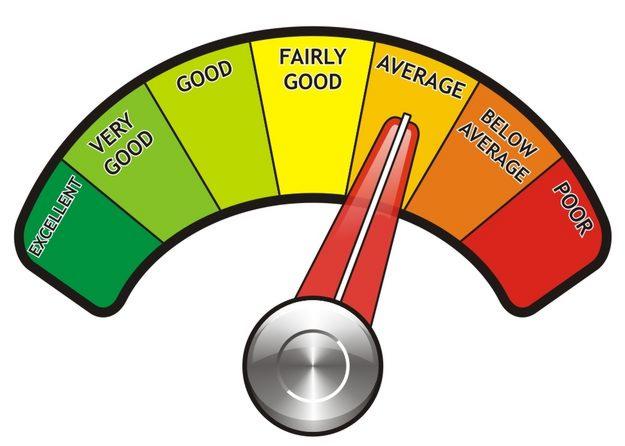
Checklist to Sum up Your 100% Good Credit Score


Hey, thinking to apply for a loan to buy a new car, nope! Well, then you might be planning for a new house. Whatever you plan to buy or fetch look at your financial status.

First thing, that must strike your mind – “Do I have a good credit score?” If not then it is time to build a good credit score.

Scratching you head!! Well, I think you are not aware of the term good credit score. Then let me define it for you.

What is a good credit score?

A good credit score is a numeric expression that helps lenders to estimate risk of extending credit gives out loan amount to people. Most common credit score is FICO score, and for this one usually have a measurement based on five factors that is sure to effect credit score.

35% accounts from payment history

A recorded history of on time payments always comes handy to improve credit score. What does payment history generally contain? They include various types of information like credit card balance, retail accounts and installment loans outstanding balance, even adverse public records for liens, foreclosures and even bankruptcies.

Time gap between last negative event and frequency of missed payments is sure to affect the credit score. As for example, take a person who might have missed his credit card payment three years ago, will be seen less riskier than person who misses several payment every year.

Credit scoring and FICO score

Many agencies uses data that they have collected to formulate a credit score for you. This is a value that can be used later to determine your creditworthiness.

Some factors used to calculate your score are - 

Amount you owe on non-mortgage accounts

Credit card outstanding balance

Payment history

Number of credit lines that are open

Age of credit file

Number of recent report inquiries 

Credit history

FICO SCORE

FICO score is the most widely used by lenders for checking the credit history. All three credit-reporting agencies have their own names for FICO score like, Equifax calls it BEACON, Experian calls it Experian/Fair Isaac Risk Model, and TransUnion calls it FICO Risk Score. Despite having different names, scoring method is consistent across all three.

How are FICO score determined?

30% accounts for how much you use your credit and how much you owe

FICO score taken into consideration to show how much you owe or how many accounts have balances and the amount of credit used. More a person is going to owe relative to their credit limit, credit scores will lower accordingly. You will be already going to see yourself in risk, if you are already max out your lines of credit.

15% is contributed to length of your credit history

In FICO score, age not taken into consideration.  Fact is that, longer the credit history more it will improve your credit score. Well this is a disadvantage on the part of young people, a young person is going to have a lower credit score than an old person, but all the factors will remain the same. 

However, a person with short credit history will be still getting a high credit score if he or she is able to exhibit dependable credit management.

Just 10% incorporates in new lines of credit

Recent or frequent applications of new credit have a negative impact on credit score. Every time when the lenders check your credit history, your score drops by a few points.

For credit rating agencies, they consider number of recently opened accounts and often compared to percentage of new accounts relative to total number of accounts. They intake the number of credit inquiries, but excludes consumer and promotional inquires.

In addition to that, they make inquiries on how long accounts have been kept open or number of credit inquiries made. FICO also suggests that staying focused while shopping for loans like automobiles and mortgages, you have to search under a period of 30 days, and that can help one to avoid credit score deductions.

Other factors account about 10%

Individual is having a variety of credit types even you may have it. If you have just one type of credit say for example a credit card, your score will be lower than an individual having variety of credits will.

Author Bio : Moumita Dasgupta, a financial blogger and the owner of bizandfiz, shares her knowledge and expertise of various financial topics. A clear view on market, business, Forex, funds, personal finances etc. are the subjects she perfectly underlines through her articles.

Twitter Delicious Facebook Digg Stumbleupon Favorites More

 
Design by Free WordPress Themes | Bloggerized by Lasantha - Premium Blogger Themes | Free Samples By Mail